
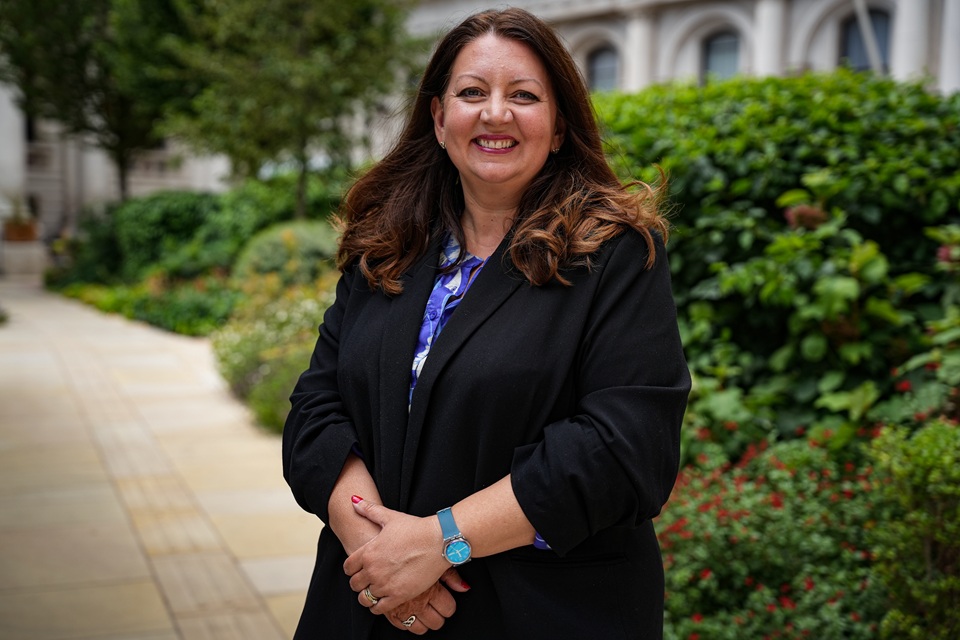
The new International Development Minister has made a speech. That is neither surprising, nor in itself, even noteworthy. Under normal circumstances it might have just joined the background noise of government trying to present deep and damaging budget cuts as somehow strategic.
It is notable not because it defends aid, but because it seeks to reframe and relocate it. Beneath the language of solidarity and partnership lies a strategic argument about how Britain should navigate an increasingly interconnected and unstable world – and the role that international development partnerships might play in doing so.
The Minister’s central point is that the traditional distinction between “their problems” and “our problems” is becoming increasingly irrelevant. Climate change, pandemics, food insecurity, economic shocks, conflict and migration all cross borders. The question is no longer how wealthy countries help poorer ones, but how countries work together to manage shared risks and build shared resilience.
This represents a significant shift in how international development is described and justified. Rather than emphasising aid, poverty reduction and capacity building, the Minister talks about five securities: health security, climate security, economic security, human security and food security. She argues that the “era of development”, often framed in terms of assistance and charity, is making way to a purposeful pursuit of mutual interest, partnership and resilience.
For those involved in commissioning, designing and delivering programmes, this matters. The strongest programmes will increasingly be those that can demonstrate not only development impact but also their contribution to managing the risks that affect both partner countries and the UK. The key questions become: What shared risk does this programme address? How does it build resilience? How does it help to prevent future crises? How does it contribute to the stability on which both local populations and UK interests depend?
Importantly, this is not a subordination of values to interests. The Minister argues that humanitarian action, poverty reduction and civilian protection remain important because they are morally right. At the same time, she rejects the idea that ethics and national interest are competing priorities. In an interconnected world, they are often two sides of the same coin.
This offers a powerful way of understanding international development as a force multiplier for British interests. Effective development programmes can help prevent or mitigate conflicts that might otherwise require costly interventions. They can strengthen food systems, reduce instability, improve governance, support economic growth and build relationships with strategically important partners. They can generate influence, trust and access in ways that diplomacy alone rarely can.
Most importantly, they contribute to a more stable international environment. Britain’s prosperity depends on functioning trade routes, resilient supply chains, stable markets and effective international cooperation. Many of the risks that threaten these systems originate far beyond the UK’s borders. Helping other societies become more resilient to shocks is therefore not simply an act of solidarity. It is an investment in Britain’s own security, prosperity and influence.
Seen in this light, international development is not charity nor a narrow instrument of self-interest. It is strategic cooperation in pursuit of a more secure and resilient international system. The more effectively the UK helps address the global drivers of insecurity, instability and vulnerability, the stronger the foundations of its own security and prosperity become.
That may be the most important message in the Minister’s speech: Development is not something we do after pursuing the national interest. Properly conceived, it is one of the ways we advance it.
Development is not something we do after pursuing the national interest. Properly conceived, it is one of the ways we advance it.
Leave A Comment